Energy-efficient remodeling presents a compelling opportunity for property owners and investors. By implementing upgrades such as high-efficiency appliances and enhanced insulation, individuals can notably reduce utility costs and increase property value. These improvements not only attract environmentally conscious tenants but also align with modern sustainability standards. In addition, potential tax incentives and rebates can offset initial expenditures. Understanding the nuanced financial implications of these enhancements may reveal additional layers of benefit worth exploring further.
Key Takeaways
- Energy-efficient remodeling increases property values, potentially raising assessments and taxes, but also enhancing long-term investment returns.
- Lower utility bills result from reduced energy consumption, leading to significant long-term financial savings for property owners.
- Government incentives, like tax credits and rebates, help offset the initial costs of energy-efficient upgrades, making them more financially viable.
- High-efficiency appliances and advanced HVAC systems decrease maintenance and operational costs, further increasing the property’s financial attractiveness.
- Sustainable upgrades align with contemporary values, appealing to eco-conscious buyers and enhancing community belonging, which can boost property demand.
What Is Energy-Efficient Remodeling and How Does It Impact Property Taxes?
What constitutes energy-efficient remodeling, and how does it relate to property taxes? Energy-efficient remodeling encompasses upgrades that enhance a property’s sustainability, such as improved insulation, energy-efficient windows, and high-efficiency appliances. These modifications not only reduce energy consumption but also promote a healthier living environment. Importantly, property owners often question how energy-efficient upgrades affect property taxes. In many jurisdictions, such improvements can lead to increased property values, which may subsequently raise tax assessments. However, some regions offer tax incentives or exemptions for energy-efficient upgrades, potentially offsetting costs. By understanding these dynamics, property owners can make informed decisions that not only enhance their living spaces but also align with their financial goals, fostering a sense of belonging within eco-conscious communities.
How Energy-Efficient Upgrades Affect Property Taxes
How do energy-efficient upgrades influence property taxes in various jurisdictions? The impact varies considerably, with some areas offering tax incentives or exemptions for property owners who implement energy-efficient measures. These upgrades can enhance property value, which may lead to higher assessments and, as a result, increased property taxes. However, jurisdictions that prioritize sustainability often recognize the long-term benefits of energy-efficient renovations and may provide tax breaks as a means of encouraging these investments. This approach not only supports environmental goals but also fosters a sense of community belonging among property owners committed to sustainable living. Therefore, understanding local tax regulations can be advantageous for investors and homeowners looking to maximize the financial benefits of energy-efficient remodeling.
Long-Term Savings From Energy-Efficient Upgrades
Energy-efficient upgrades can yield significant long-term savings for property owners and investors, often translating into reduced utility bills and lower maintenance costs. By investing in modern insulation, energy-efficient windows, and high-efficiency HVAC systems, property owners can reduce energy consumption, leading to substantial savings over time. Additionally, these upgrades enhance property value, making them more appealing to potential buyers or renters. The initial investment in energy-efficient remodeling may seem overwhelming; however, the cumulative financial benefits, including lower operating costs and extended longevity of systems, justify the expense. Ultimately, embracing energy-efficient solutions not only fosters a sustainable living environment but also cultivates a sense of belonging within communities committed to responsible stewardship and financial prudence.
Government Incentives and Rebates for Energy-Efficient Upgrades
Are property owners aware of the numerous government incentives and rebates available for energy-efficient upgrades? These financial benefits can greatly offset the initial investment costs, making energy-efficient remodeling more accessible. Federal and state programs often provide tax credits, grants, and low-interest loans aimed at encouraging property owners to adopt sustainable practices. Additionally, local utility companies frequently offer rebates for implementing energy-efficient appliances or home improvements. By taking advantage of these incentives, property owners not only enhance their property’s value but also contribute to environmental sustainability. Understanding how energy-efficient upgrades affect property taxes can further motivate investors to pursue such enhancements, as many jurisdictions offer tax exemptions or reductions for properties that meet specific energy standards.
Smart Choices for Maximum Return on Investment
Maximizing return on investment in remodeling projects hinges on strategic choices that prioritize energy efficiency. Property owners and investors can benefit markedly by selecting upgrades that yield measurable financial returns. Installing energy-efficient windows, for instance, not only enhances aesthetic appeal but also reduces heating and cooling costs. Similarly, advanced HVAC systems can lead to considerable savings over time. These upgrades often result in increased property value, which can positively affect property taxes. Ultimately, informed decisions about energy-efficient improvements not only contribute to environmental sustainability but also foster a sense of community belonging among like-minded individuals. By embracing these smart choices, property owners can guarantee that their investments are both financially rewarding and aligned with contemporary values.
Frequently Asked Questions
What Types of Properties Benefit Most From Energy-Efficient Upgrades?
Residential homes, commercial buildings, and multifamily units benefit most from energy-efficient upgrades. These properties not only reduce utility expenses but also enhance marketability, aligning with environmentally conscious trends and increasing overall value in competitive real estate markets.
How Can Energy-Efficient Remodeling Increase Property Value?
Energy-efficient remodeling can markedly increase property value by enhancing appeal, reducing utility costs, and attracting environmentally conscious buyers. Such upgrades often lead to higher market demand, ultimately resulting in a more competitive property valuation.
What Common Misconceptions Exist About Energy-Efficient Upgrades?
Many believe energy-efficient upgrades are prohibitively costly and yield minimal returns. However, misconceptions persist about their impact on property taxes, often underestimating potential savings and increased property value resulting from such enhancements.
Are There Specific Upgrades That Yield the Highest ROI?
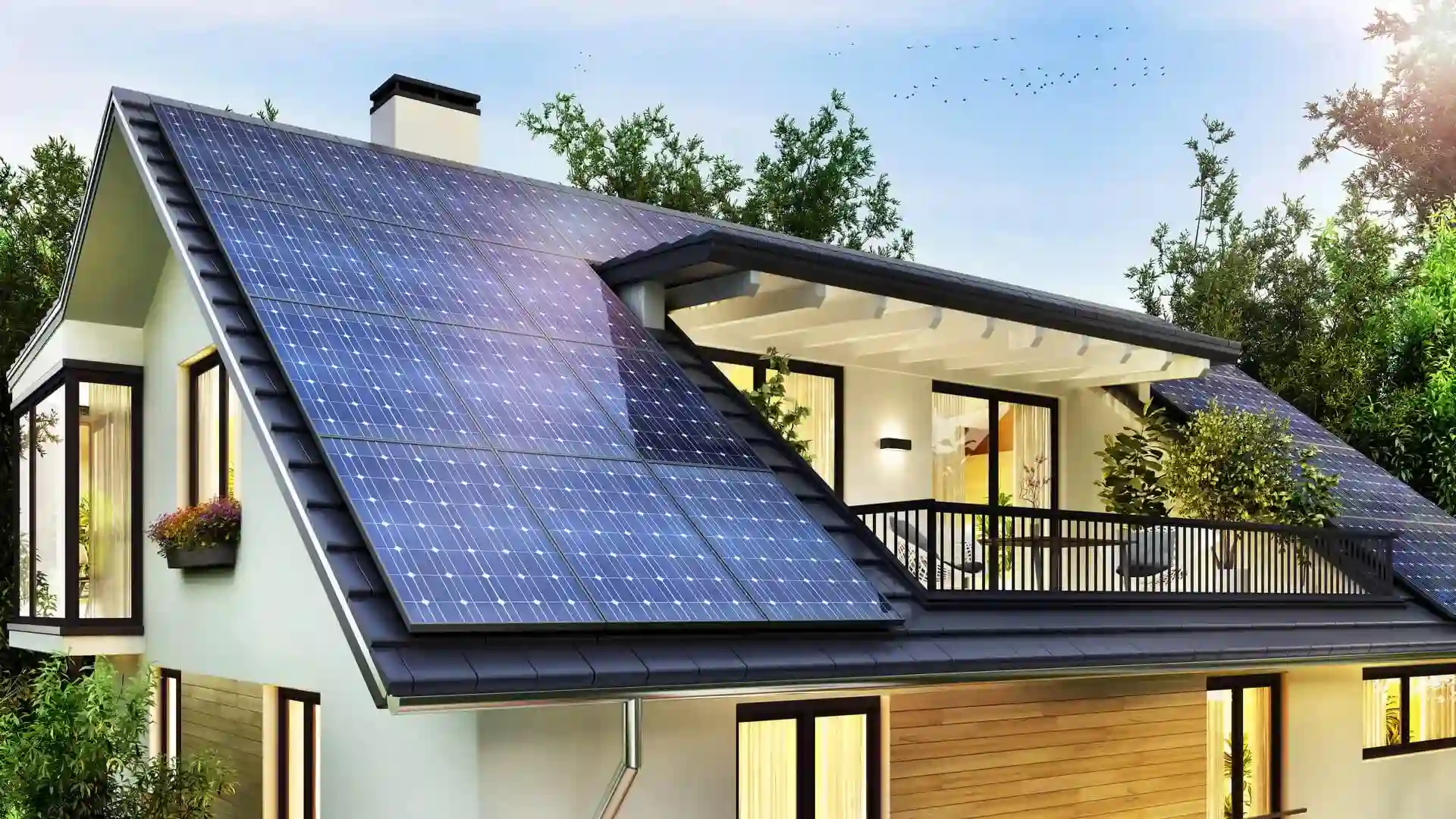
Certain upgrades, such as high-efficiency HVAC systems and solar panels, consistently yield the highest ROI. These enhancements not only improve property values but also positively influence how energy-efficient upgrades affect property taxes, benefiting owners and investors alike.
How Do Energy-Efficient Improvements Affect Resale Potential?
Energy-efficient improvements greatly enhance resale potential by attracting eco-conscious buyers, increasing property value, and often leading to quicker sales. Such upgrades create a competitive edge in the market, appealing to a growing demographic seeking sustainability.
Conclusion
Ultimately, energy-efficient remodeling emerges as a strategic investment for property owners and investors, yielding substantial long-term financial benefits. By reducing utility bills and maintenance costs while enhancing property values, these upgrades align with both economic and environmental goals. Coupled with available government incentives, the financial landscape becomes even more favorable. Ultimately, embracing energy efficiency not only supports sustainable living but also positions property owners to reap significant returns on investment in an increasingly eco-conscious market.
You May Also Like To Read: